

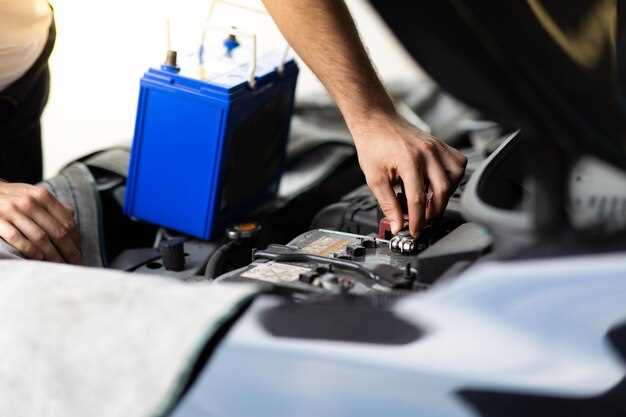
Your Toyota’s battery is a crucial component that powers the electrical systems of your vehicle. Over time, batteries can degrade due to various factors, including age, climate, and driving habits. Recognizing the signs that indicate a failing battery can save you from unexpected breakdowns and ensure that your vehicle operates smoothly.
One of the most noticeable symptoms of a dying battery is difficulty starting your vehicle. If you find yourself turning the key only to hear a clicking sound, it’s a clear indication that your battery may not have enough charge to start the engine. Additionally, frequent jump-starts may suggest that your battery is reaching the end of its lifespan.
Another important sign is the presence of corrosion around the battery terminals. This can hinder the proper flow of electricity and may lead to further issues if not addressed promptly. Furthermore, if you notice that your headlights are dimmer than usual or that your electrical accessories are not functioning properly, these could also be symptoms of a failing battery.
In summary, being aware of these symptoms is essential for every Toyota owner. By knowing the signs that it’s time to replace your battery, you can make informed decisions and maintain the reliability of your vehicle.
Unusual Engine Cranking Sounds and Starting Troubles
When you turn the key in your Toyota’s ignition, the expected sound is a smooth and consistent cranking of the engine. If you notice unusual noises, such as grinding, clicking, or slow cranking, it may indicate a problem with the battery. These sounds can be manifestations of insufficient power being supplied to the starter motor, often due to a weak or failing battery.
A clicking sound usually suggests that the battery does not have enough charge to engage the starter fully. In this case, the electrical connections may be loose or corroded, or the battery itself may be nearing the end of its lifespan. If the engine cranks slowly, it indicates insufficient power, pointing to a potential issue with the battery’s ability to hold a charge, particularly in colder temperatures.
Additionally, if you’re experiencing intermittent starting troubles – where the engine may start one time but fail the next – this erratic behavior can be traced back to a weak battery. Over time, batteries lose their capacity to provide adequate power for starting the engine. If you encounter these unusual cranking sounds and persistent starting problems, it is a clear sign that it’s time to consider replacing your battery to ensure reliable vehicle operation.
Dashboard Warning Lights Indicating Battery Issues
One of the most critical aspects of maintaining your Toyota is monitoring the dashboard warning lights. When it comes to battery problems, certain indicators can signal that a replacement is necessary. The most prominent light to watch for is the battery warning light, which typically resembles a battery icon. If this light illuminates, it signifies that the battery is not charging properly and may be near the end of its lifespan.
Another important indicator is the check engine light. While this light can signify various issues, it may also point to battery-related problems, especially if your vehicle experiences difficulty starting or frequent power fluctuations. A malfunctioning battery could lead to irregular voltage levels, triggering the check engine light.
The ABS warning light is another sign that could indicate battery trouble. A weak battery may lead to insufficient power to the Anti-lock Braking System, causing the ABS warning light to activate. If this occurs, it’s essential to address the battery’s condition promptly to ensure vehicle safety.
If you notice any of these warning lights, it’s crucial to have your Toyota’s battery inspected. Ignoring these alerts can result in further electrical system failures or leave you stranded. Replacing the battery at the first sign of trouble will help maintain your vehicle’s performance and reliability.
Decreased Electrical Performance and Device Malfunctions
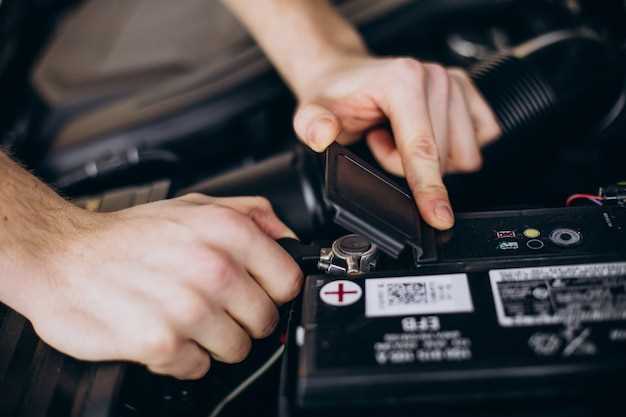
One of the most significant indicators that it’s time to replace your Toyota battery is a noticeable decrease in electrical performance. If you find that your vehicle’s headlights are dimmer than usual or the interior lights do not illuminate as brightly, it can be a sign of an aging battery. These symptoms often indicate that the battery can no longer hold a sufficient charge to power the electrical components effectively.
Additionally, device malfunctions may arise from an unreliable battery. You might experience issues with power windows, infotainment systems, or onboard computers. These components rely heavily on a stable electrical supply, and when the battery begins to fail, they can act erratically or become unresponsive. If you’ve noticed that your vehicle’s features, such as the radio or GPS, operate inconsistently, it could be a direct result of inadequate battery performance.
Furthermore, electrical accessories may begin to function intermittently or take longer to activate. For instance, struggles with starting your car, such as clicking noises when turning the key, suggest that the battery cannot deliver the necessary current. If you experience frequent device malfunctions or performance drops, it’s crucial to assess the condition of your battery to avoid further complications down the road.


