


The automotive landscape is continuously evolving, and the Toyota Highlander is a prime example of innovation and adaptability in the SUV market. As a popular midsize SUV, it has garnered attention for its reliability, comfortable interior, and commendable performance. However, with the introduction of the Grand Highlander, consumers are presented with an expanded option that offers enhanced features and capabilities. Understanding the differences between these two models is essential for prospective buyers.
The Grand Highlander is designed to cater to those who seek more than just a standard SUV experience. This model elevates the features of the original Highlander, providing additional space, advanced technology, and upgraded safety systems. As families grow and lifestyles evolve, the demand for larger, more versatile vehicles has increased, making the Grand Highlander a compelling choice for those in need of extra room without compromising on the essentials.
While both models share certain foundational attributes, including Toyota’s renowned reliability and advanced engineering, the distinctions between them are noteworthy. From seating capacity to cargo space, each aspect plays a crucial role in determining which SUV aligns with your personal or family needs. In this article, we will explore these key differences, allowing you to make an informed decision when choosing between the Toyota Highlander and the Grand Highlander.
Comparative Analysis of Highlander and Grand Highlander Dimensions
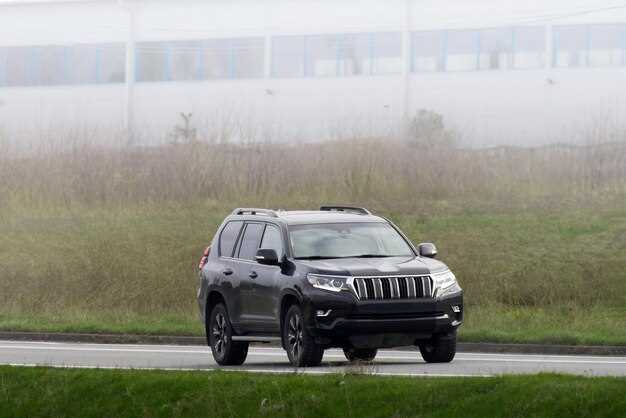
The Toyota Highlander and the Toyota Grand Highlander represent two distinct offerings from Toyota’s SUV lineup, catering to different consumer needs and preferences. Understanding their dimensions is crucial for potential buyers evaluating which model best suits their lifestyle.
The Highlander measures approximately 194.9 inches in length, 76 inches in width, and 68.1 inches in height. This configuration provides a spacious interior while remaining manageable for urban driving. In contrast, the Grand Highlander extends the overall length to about 207.1 inches. This increase allows for enhanced cargo capacity and additional third-row space, making it suitable for families requiring extra room.
Furthermore, the width of the Grand Highlander maintains a similar dimension to that of the standard Highlander, ensuring it remains stable on the road. However, its height is slightly elevated, which contributes to a more commanding view of the road. The additional height also aids in offering improved headroom for passengers, especially in the third row.
Interior dimensions reveal further distinctions. The Toyota Highlander offers sufficient legroom for the second row but may feel cramped for taller passengers once the third row is occupied. On the other hand, the Grand Highlander addresses this issue with increased legroom throughout, particularly in the rear seats, thereby providing a more comfortable experience for all passengers.
Overall, the choice between the Highlander and Grand Highlander hinges significantly on individual needs related to space and dimensions. Buyers seeking a compact SUV with ample space may prefer the Highlander, while those in need of a larger vehicle for family travel would find the Grand Highlander more appealing.
Performance Variations Between Highlander and Grand Highlander Models
The Toyota Highlander and Grand Highlander, while sharing a name and brand heritage, exhibit notable differences in performance that cater to distinct driving needs. The standard Highlander boasts a well-balanced powertrain with options such as a 3.5-liter V6 engine, delivering a robust output that ensures a lively driving experience. It’s designed for efficiency, offering a smooth ride and respectable fuel economy for everyday use.
In contrast, the Grand Highlander emphasizes enhanced performance, featuring a more powerful engine lineup, including hybrid options that provide not only higher horsepower but also improved torque. This is particularly beneficial for drivers seeking to tow heavier loads or navigate challenging terrains. The Grand Highlander’s performance tuning also focuses on a sportier driving engagement, making it suitable for those who value a dynamic driving experience.
Handling is another area where the two models diverge. The Highlander is praised for its comfort-oriented suspension, which prioritizes ride quality over sportiness. Meanwhile, the Grand Highlander incorporates a more advanced suspension system, equipping it with superior agility and stability during cornering and at higher speeds. This results in a more confident driving posture, particularly during highway travel.
Moreover, the Grand Highlander’s performance capabilities include enhanced all-wheel-drive systems that offer varying degrees of grip and traction, making it well-suited for all weather conditions, from rain-soaked roads to snowy paths. The Highlander typically offers a stable all-wheel-drive option, but may not match the versatility found in the Grand Highlander.
In summary, while both the Highlander and Grand Highlander provide reliable performance, the Grand Highlander stands out with its more potent engines, advanced handling characteristics, and versatile all-wheel-drive systems. Drivers seeking enhanced performance and capability would find the Grand Highlander to be the more appealing choice.
Interior Features and Technology: Highlander vs. Grand Highlander
The Toyota Highlander offers a well-appointed interior featuring a user-friendly infotainment system. Standard on most trims is a touchscreen display with smartphone integration via Apple CarPlay and Android Auto, allowing seamless connectivity. Ample cabin space is designed to enhance comfort, with available leather upholstery and heated front seats for a touch of luxury.
In contrast, the Grand Highlander elevates the interior experience with additional space and enhanced technology. It provides a larger touchscreen interface and available larger digital displays that cater to the tech-savvy driver. The Grand Highlander incorporates more advanced features such as a multi-zone climate control system and an upgraded sound system for improved audio quality, making longer journeys more enjoyable.
Another key difference lies in the seating capacity. The Highlander accommodates up to eight passengers, while the Grand Highlander boasts more flexible seating arrangements due to its extended dimensions, allowing for additional legroom and cargo space. Both models come equipped with numerous safety features, including adaptive cruise control and lane-keeping assist, promoting a secure driving environment.
In summary, while the Highlander provides a solid foundation of comfort and technology, the Grand Highlander steps up with enhancements that cater to those seeking a more luxurious and spacious ride, further solidifying its appeal in the midsize SUV segment.


