


Maintaining your Toyota vehicle is essential for ensuring its longevity and optimal performance. Following a routine maintenance schedule not only keeps your car running smoothly but also enhances safety on the road. This comprehensive guide aims to provide you with all the necessary information regarding the factory scheduled maintenance recommended by Toyota.
Understanding the importance of adhering to the manufacturer’s schedule is crucial. Toyota vehicles are designed with specific maintenance intervals that are tailored to their unique specifications. By following this routine, you can prevent costly repairs, reduce the likelihood of unexpected breakdowns, and even maintain the resale value of your vehicle.
In this guide, we will explore various aspects of Toyota’s maintenance schedule, including essential services, mileage recommendations, and tips for ensuring your routine maintenance is executed efficiently. Whether you are a new Toyota owner or a long-time enthusiast, this guide will equip you with the knowledge needed to keep your vehicle in top condition.
Understanding the Toyota Maintenance Schedule and Its Importance
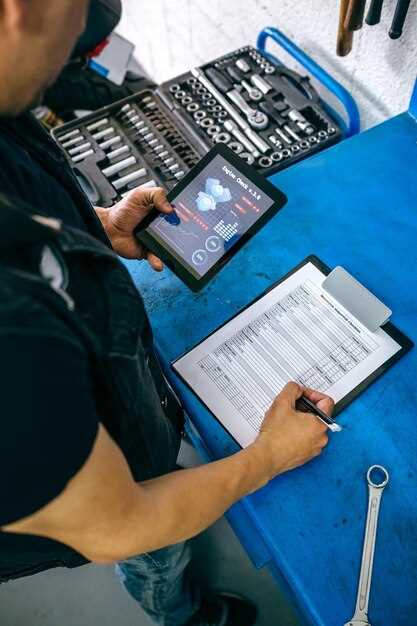
The Toyota maintenance schedule is a crucial aspect of vehicle ownership that outlines the specific service and routine checks required to keep your vehicle operating efficiently. Following this schedule is vital for ensuring the long-term health and performance of your Toyota, preventing potential issues before they escalate into significant problems.
One of the primary benefits of adhering to the Toyota maintenance schedule is that it helps maintain the vehicle’s warranty. Most manufacturers, including Toyota, require regular service to validate warranty coverage. Skipping recommended maintenance can lead to costly repairs that may not be covered under warranty.
Additionally, routine maintenance, such as oil changes, tire rotations, and fluid checks, plays a significant role in preserving fuel efficiency. A well-maintained vehicle typically consumes less fuel, saving you money in the long run while also being more environmentally friendly.
Regular service intervals, as specified in the maintenance schedule, help identify potential issues early on. For instance, inspecting brakes, belts, and other essential components can prevent unexpected breakdowns and ensure safety on the road. This proactive approach minimizes downtime and enhances the overall driving experience.
Moreover, understanding the Toyota maintenance schedule can contribute to better resale value. A vehicle with a complete service history is often more attractive to potential buyers, as it indicates diligent care and attention to maintenance needs. Keeping detailed records of all services performed provides reassurance and transparency to future owners.
In summary, the Toyota maintenance schedule is not merely a guideline but a framework for optimal vehicle performance and longevity. By committing to regular service and routine checks, Toyota owners can enjoy a reliable, safe, and efficient driving experience while protecting their investment.
Key Services Included in the Toyota Routine Maintenance Plan
The Toyota Routine Maintenance Plan encompasses a variety of essential services designed to keep your vehicle running smoothly and efficiently. Adhering to the recommended schedule not only enhances performance but also extends the lifespan of your Toyota.
One of the primary services included is the oil and filter change, which is crucial for maintaining engine health. Regular oil changes help to reduce friction, prevent overheating, and ensure that engine components are well-lubricated. Typically, this service is recommended every 5,000 to 10,000 miles, depending on the specific model and driving conditions.
Tire rotation and alignment are also vital components of the routine maintenance schedule. Regular tire rotation helps to promote even tire wear, which can improve traction, fuel efficiency, and overall safety. Additionally, wheel alignment checks ensure that the vehicle tracks straight and that all tires wear evenly, which is essential for maximizing the lifespan of the tires.
Brake inspections are another key service included in the routine plan. Brakes should be checked regularly to ensure optimal performance and safety. This service includes inspecting brake pads, rotors, and fluid levels. Addressing any issues promptly can prevent costly repairs down the road.
The maintenance schedule also includes inspections of various fluid levels, such as coolant, transmission fluid, and brake fluid. Maintaining proper fluid levels is essential for the vehicle’s overall functionality and longevity. Regular checks can help identify leaks or contamination early, preventing further damage.
Furthermore, the plan includes scheduled inspections of the vehicle’s belts and hoses, which are crucial for preventing breakdowns. These components are subject to wear over time and can lead to significant issues if not replaced on time. Ensuring they are in good condition helps maintain vehicle reliability.
Finally, the routine maintenance plan involves checking and replacing engine air filters and cabin air filters as needed. Clean filters not only improve engine performance but also enhance the air quality inside the vehicle, making for a more pleasant driving experience.
How to Prepare for Your Toyota Maintenance Appointment

Preparing for your Toyota maintenance appointment is essential to ensure that the service is completed efficiently and effectively. Here are the key steps to take:
1. Schedule Your Appointment in Advance: Plan your service well ahead of time to ensure availability. Check your owner’s manual for recommended maintenance intervals and schedule your appointment accordingly. This helps avoid last-minute disruptions.
2. Gather Essential Documents: Bring your vehicle’s maintenance history, warranty information, and any service records. This documentation is crucial for the technician to assess previous work and the current state of your vehicle.
3. Note Any Specific Issues: If you’ve noticed any unusual sounds, smells, or warning lights, jot these down. Clearly communicating these concerns will help the technician diagnose potential problems during the routine inspection.
4. Clean Your Vehicle: A clean car allows the technician to perform a comprehensive inspection without distractions. Remove any personal items and ensure that the vehicle’s interior and exterior are in good condition.
5. Plan for Transportation: Depending on the service type, your vehicle may take some time to complete the necessary work. Arrange for alternative transportation if needed, whether it’s a rideshare, loaner vehicle, or public transit.
6. Be Prepared to Discuss Services: Familiarize yourself with the recommended services for your specific Toyota model. Discuss any necessary routine maintenance, such as oil changes, tire rotations, or fluid replacements, with the technician.
7. Understand Your Budget: Have an idea of the costs associated with the scheduled maintenance. Ask for a detailed estimate before the work begins, so you are informed about both expected services and any additional repairs that may arise.
By following these steps, you can ensure that your Toyota maintenance appointment goes smoothly, allowing you to enjoy the performance and longevity of your vehicle.


